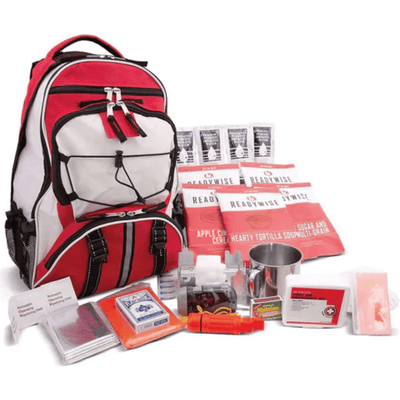
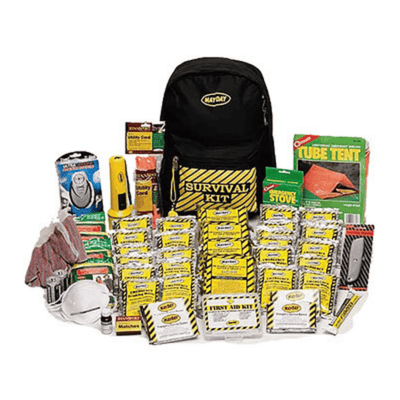
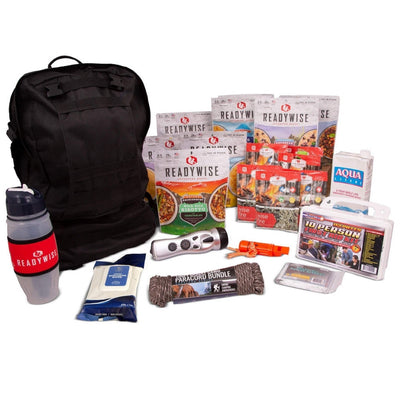
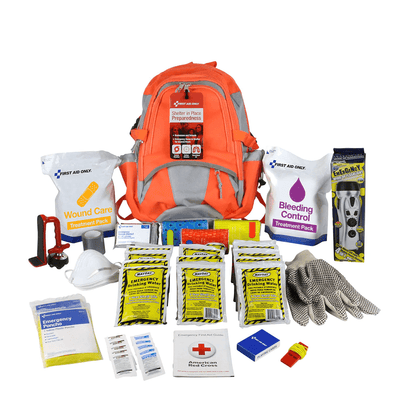
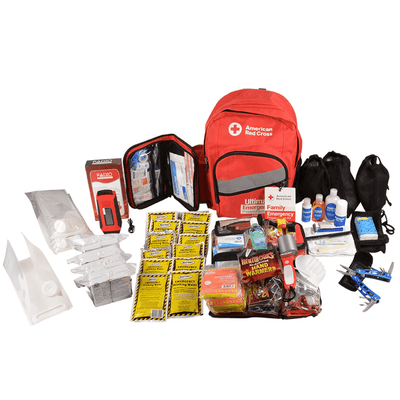
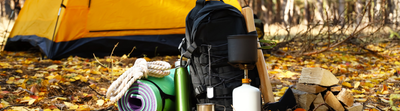
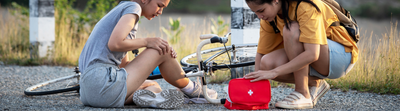
A bug out bag (also called a BOB, go-bag, or 72-hour kit) is a pre-packed bag with everything you'd need to survive on your own for the first three days after a disaster forces you out of your home. It's one of the highest-value things you can do for your family's safety, and it takes a weekend, not a week.
This is a real, complete checklist: 29 items across 8 categories, organized the way FEMA and Ready.gov structure their own guidance, not padded out to hit a bigger number. Build your own from scratch, start from one of our pre-built kits and customize it, or use this as a gut-check on a bag you already have.
Quick Answer: What to Pack in a Bug Out Bag
- Water: a bottle or reservoir, a portable filter, and purification tablets.
- Food: calorie-dense bars and a backup emergency food pouch.
- First aid and medications: a real first aid kit, your prescriptions, and hygiene basics.
- Shelter and warmth: a mylar blanket, a tarp or tent, a sleeping bag, and rain gear.
- Tools and navigation: a knife, paracord, a fire starter, a flashlight, a map, and a radio.
- Documents, cash, and power: copies of key documents, some cash, and a portable charger.
Full 29-item checklist by category is below.
Why You Need One
FEMA's own household survey found that only 48% of Americans have set aside emergency supplies, and just 39% have an actual emergency plan. That gap matters because help doesn't arrive on your schedule; after a major disaster, first responders are often stretched across an entire region, and FEMA's standing guidance is to plan on being self-sufficient for at least the first 72 hours.
You've probably heard of the "Rule of Threes": roughly three minutes without air, three hours without shelter in a harsh environment, three days without water, three weeks without food. It's a memory aid, not a precise science; real survival times vary a lot by person and conditions. But the priority order behind it is genuinely useful when you're deciding what goes in the bag first: air and safety, then shelter, then water, then food.
Dehydration is worth taking seriously even before it feels dangerous: losing just 1-2% of your body's water is enough to measurably affect mood, decision-making, and reaction time, well before you'd call yourself "dehydrated" in the classic sense. That's exactly the kind of impairment you can't afford during an actual evacuation.
Only 48% of Americans have emergency supplies set aside, and just 39% have an emergency plan, according to FEMA's own National Household Survey.
Source: FEMA National Household Survey
What Is a Bug Out Bag?
A bug out bag is a portable survival kit built around one job: keeping you alive and mobile for the first 72 hours after you have to leave home on short notice, whether that's a wildfire, hurricane, earthquake, flood, or any other disaster that makes staying put unsafe. It's different from a home emergency kit (which can be bulkier and stay put) and different from a car kit (which lives in your vehicle); a bug out bag is the one you can grab and carry on foot if you have to.
The standard is one bag per person, sized to what that person can actually carry. A good rule of thumb: keep the loaded bag under about 20% of your body weight; a 150-lb adult should aim for a 30-lb pack or lighter. Kids' bags should be lighter still, focused on comfort items and a few simple tools they know how to use.
The 29-Item Bug Out Bag Checklist
Organized by category; cover each one before you worry about extras.
Water (3 items)
- Water bottle or collapsible reservoir: for carrying what you already have.
- Portable water filter: a personal filter straw or pump-style filter can turn questionable water into safe water on the move.
- Water purification tablets: a lightweight backup when filtering isn't practical.
Food (2 items)
- Calorie-dense food bars or rations: look for shelf-stable, high-calorie options built for exactly this (many are rated for multi-year shelf life).
- A backup emergency food pouch or two: redundancy matters more than variety here.
Need to stock these two categories? Our Emergency Food & Water Supplies collection has shelf-stable food buckets, meal pouches, and water rations sized to drop straight into a bug out bag.
First Aid & Medications (3 items)
- A real first aid kit: not just a few bandages. Should cover wound care, pain relief, and basic trauma response.
- Personal medications and prescriptions: at least a few days' supply, rotated so they don't expire unnoticed.
- Hygiene basics: hand sanitizer, wet wipes, a small trash bag.
Shelter & Warmth (4 items)
- Emergency mylar blanket: traps body heat, doubles as a makeshift shelter or signal.
- Lightweight tent or tarp: doesn't need to be fancy, just enough to get you out of the wind and rain.
- Compact sleeping bag: rated for the coldest conditions realistic for your area.
- Rain poncho or waterproof jacket: staying dry is most of the battle against hypothermia.
Tools & Navigation (8 items)
- Multi-tool or fixed-blade knife: one of the most-used items in any real bug out bag.
- Paracord (50-100 ft): shelter building, gear repair, dozens of other uses.
- Duct tape: doesn't need an explanation.
- Fire starter and waterproof matches: carry both; redundancy on fire-starting is worth the weight.
- Flashlight or headlamp, plus spare batteries: headlamps free up your hands, which matters more than people expect.
- Emergency whistle: carries much farther than your voice and takes zero energy to use.
- Map and compass: phone GPS fails when towers are down or the battery dies; a paper map doesn't.
- Battery or hand-crank AM/FM radio: often the only way to get emergency broadcasts when cell service is out.
Clothing & Protection (4 items)
- Extra socks and a base layer: wet feet and hypothermia risk go together; pack more socks than you think you need.
- Work gloves: protect your hands while clearing debris or handling gear.
- Dust or air-filtration mask: genuinely necessary in wildfire smoke, dust storms, or structural collapse debris.
- Eye protection: safety glasses or sunglasses; easy to forget, hard to function without if you need them.
Documents, Cash & Power (3 items)
- Copies of key documents: ID, insurance, medical info; sealed in a waterproof bag.
- Small amount of cash: card readers and ATMs don't work without power.
- Portable phone charger or power bank: fully charged, checked periodically so it's actually ready.
Personal & Family Needs (2 items)
- A comfort or activity item for kids: a small toy, cards, or book. Keeping kids calm is a real logistical advantage, not a luxury.
- Pet supplies, if applicable: food, a collapsible bowl, and any medications for a family pet.
"The best time to get prepared is before disaster strikes."
If you live in an area prone to tornadoes, wildfires, hurricanes, or earthquakes, don't wait for a warning to start building your kit.
Phil Bregman, Owner, Safety Kits Plus
Build Your Own, or Start From a Kit
Building a bag item-by-item gives you full control, but it takes time to source everything and get the sizing right. A faster path for most people: start with one of our pre-built survival backpacks, which already cover most of the checklist above, then customize it with your own medications, documents, and any personal items your family needs.
Browse our full Survival Kits collection, or see our Ultimate Survival Kit Guide for a broader look at building out a complete emergency preparedness kit beyond the 72-hour bag.