Disasters and emergencies can strike with little or no warning. A natural disaster, a power outage, a wildfire evacuation, or getting stranded far from help can all happen fast. A well-equipped survival kit is what turns that kind of moment from a crisis into something you can actually manage: food, water, shelter, first aid, and the tools to get through the first critical hours or days on your own. This guide covers what a survival kit actually is, why it matters more than most people assume, exactly what belongs in one, and how to pick or build the right kit for your household, vehicle, or specific situation.
Quick Answer: What to Pack in a Survival Kit
- Water and food: one gallon of water per person per day, plus a 3-day supply of non-perishable food.
- First aid and medical: a stocked first aid kit and your prescription medications.
- Tools and communication: an emergency radio, a flashlight, and a multi-tool.
- Clothing and warmth: a sleeping bag or blankets and a change of warm clothing.
- Hygiene and sanitation: wipes, garbage bags, and a dust mask.
- Documents, cash, and extras: copies of key documents, small bills, and a local map.
Full breakdown by category is below.
What Is a Survival Kit?
A survival kit is a collection of essential supplies. It's designed to keep you safe and self-sufficient during an emergency. You might be facing a natural disaster, a prolonged power outage, or an outdoor survival situation. In any of those cases, a well-equipped kit provides the tools you need for shelter, hydration, food, first aid, and basic protection. Kits vary by purpose. 72-hour emergency kits, bug-out bags, and wilderness survival packs all share the same core logic, but they're sized and stocked differently depending on what they're built for.
Browse our full Survival Kits collection for ready-made options across every use case covered in this guide.
Only 48% of Americans have emergency supplies set aside for a disaster.
Source: FEMA National Household Survey on Disaster Preparedness
Why Survival Kits Matter
Emergencies rarely give advance notice. You may need to evacuate your home or workplace with only minutes to gather what you need. A properly stocked kit is what lets you and your family get through those first hours, or days, until help arrives or conditions stabilize. Beyond the practical function, having a real kit ready also means one less thing to figure out under pressure when an actual emergency hits.
The scale of this isn't hypothetical. The United States has been hit by an unusually active run of billion-dollar disasters in recent years. In 2024 alone, five separate billion-dollar hurricanes hit, including Helene and Milton. Together, they caused catastrophic flooding and wind damage across the Southeast. January 2025 saw the Palisades and Eaton wildfires tear through the Los Angeles area. They destroyed more than 18,000 homes and structures and forced over 200,000 people to evacuate on short notice. And 2026 has kept the same pace. Federal disaster declarations this year alone already span dozens of wildfires, severe storms, tornadoes, and flooding events across multiple states. None of this is limited to any one region or season anymore.
What to Include in a Survival Kit
A real survival kit should sustain you and your family for a minimum of three days, organized around the categories FEMA's Ready.gov guidance uses for building a complete kit:
Water & Food
- Water: at least one gallon per person, per day, for drinking and basic sanitation. Three days is the minimum; two weeks is a safer target for a home kit.
- Non-perishable food: a minimum three-day supply per person. Choose high-energy, easy-to-prepare items like canned goods, protein bars, and dried fruit, plus a manual can opener.
Shop our Emergency Food & Water Supplies collection for shelf-stable meal buckets, pouches, and long-shelf-life water rations built to cover this category.
First Aid & Medical
- First aid kit: bandages, gauze, antiseptic wipes, and pain relievers at minimum.
- Prescription medications and glasses: a real supply, not just what's in your medicine cabinet on evacuation day.
Prepared Beats Panicked. Get Your Survival Kit Ready.
Shop Survival KitsTools & Communication
- Emergency radio: battery-powered or hand-crank, ideally NOAA weather-band, to stay informed when cell service and power are down.
- Flashlight and extra batteries, plus a whistle to signal for help.
- Multi-tool, and a wrench or pliers if you may need to shut off home utilities.
Clothing & Warmth
- Sleeping bag or blankets and a change of warm clothing, including sturdy shoes.
Hygiene & Sanitation
- Moist towelettes or baby wipes, garbage bags, and a dust mask to protect against airborne particles.
Documents, Cash & Miscellaneous
- Copies of important documents: ID, insurance policies, medical information, kept in a waterproof container.
- Cash in small bills (card readers and ATMs may not work), a local paper map, and pet supplies if applicable.
Our Top Picks for Survival Kits
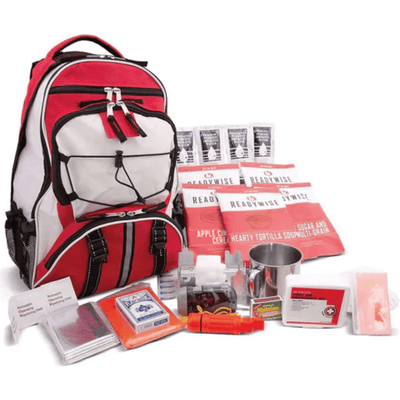
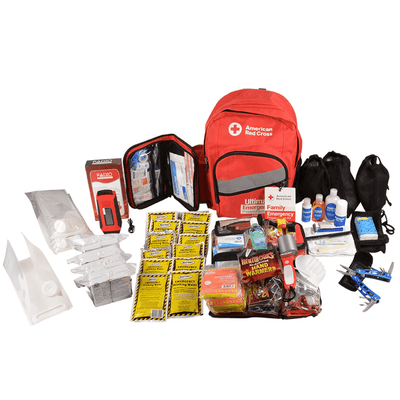
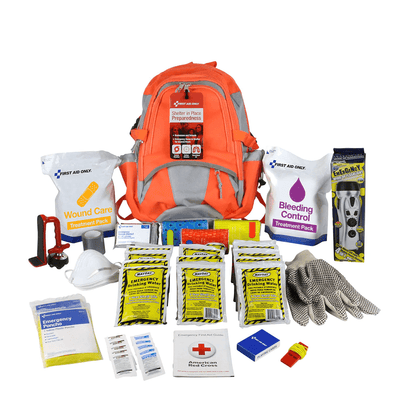
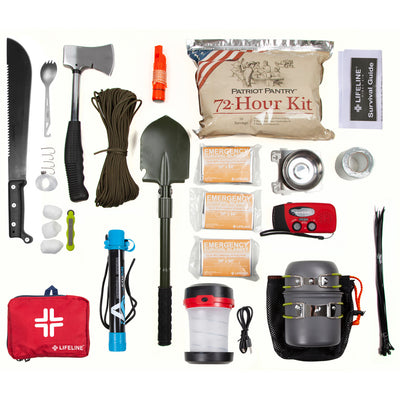
If you'd rather start from a professionally assembled kit than build one item by item, these cover the most common needs, from a compact grab-and-go bag to a full family kit. Each is built around the same core categories above, just pre-assembled and sized for a specific use case.